Vodka is one of the most famous and widely used spirits in the world. It symbolizes purity, simplicity, and elegance, but behind its neutral character lies a rich history and a variety of styles. This clear spirit is made from various plant…
Vodka is one of the most famous and widely used spirits in the world. It symbolizes purity, simplicity, and elegance, but behind its neutral character lies a rich history and a variety of styles. This clear spirit is made from various plant materials – most commonly from wheat, rye, corn, or potatoes, but also from fruits or rice.
Origin and History of Vodka
The origin of vodka is still disputed between Poland and Russia – some claim it originated in the 8th century, while others push its beginnings to the 9th century. Initially, it was used as a medicine, but gradually became part of culture and celebrations. The first official distillery was established in Russia in the 12th century, and the name "vodka" comes from the Slavic word voda, meaning "little water" – ironically with a high alcohol content.
How Vodka is Made
The basis of every vodka is the fermentation and distillation of starch or sugar-rich raw materials. After filtration through activated carbon, the resulting distillate acquires its crystal-clear taste. Each raw material gives vodka a different character – grain vodka tends to be smooth and silky, potato vodka has a fuller body, while grape vodka is fruitier and more aromatic.
How to Enjoy It
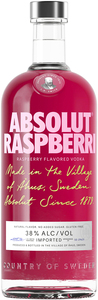
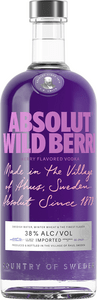
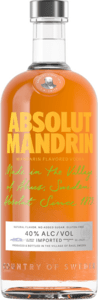
Vodka is enjoyed neat, chilled, or as a base for iconic cocktails – Moscow Mule, Bloody Mary, White Russian, or Espresso Martini. An interesting alternative is flavored vodkas with tones of fruit, herbs, or spices, which bring freshness and a modern character.
Tip for Collectors and Mixologists
If you want to taste multiple varieties at once, opt for value packs – combinations of different styles or brands at a discounted price. With them, you will discover the differences between countries of origin and types of raw materials.
Vodka is one of the most famous and widely used spirits in the world. It symbolizes purity, simplicity, and elegance, but behind its neutral character lies a rich history and a variety of styles. This clear spirit is made from various plant…
Vodka is one of the most famous and widely used spirits in the world. It symbolizes purity, simplicity, and elegance, but behind its neutral character lies a rich history and a variety of styles. This clear spirit is made from various plant materials – most commonly from wheat, rye, corn, or potatoes, but also from fruits or rice.
Origin and History of Vodka
The origin of vodka is still disputed between Poland and Russia – some claim it originated in the 8th century, while others push its beginnings to the 9th century. Initially, it was used as a medicine, but gradually became part of culture and celebrations. The first official distillery was established in Russia in the 12th century, and the name "vodka" comes from the Slavic word voda, meaning "little water" – ironically with a high alcohol content.
How Vodka is Made
The basis of every vodka is the fermentation and distillation of starch or sugar-rich raw materials. After filtration through activated carbon, the resulting distillate acquires its crystal-clear taste. Each raw material gives vodka a different character – grain vodka tends to be smooth and silky, potato vodka has a fuller body, while grape vodka is fruitier and more aromatic.
How to Enjoy It
Vodka is enjoyed neat, chilled, or as a base for iconic cocktails – Moscow Mule, Bloody Mary, White Russian, or Espresso Martini. An interesting alternative is flavored vodkas with tones of fruit, herbs, or spices, which bring freshness and a modern character.
Tip for Collectors and Mixologists
If you want to taste multiple varieties at once, opt for value packs – combinations of different styles or brands at a discounted price. With them, you will discover the differences between countries of origin and types of raw materials.